The Symbolism of the Shiva Lingam
The Lingam is the mind; the Panavattam is the Prana. Together they indicate the Paramatma.
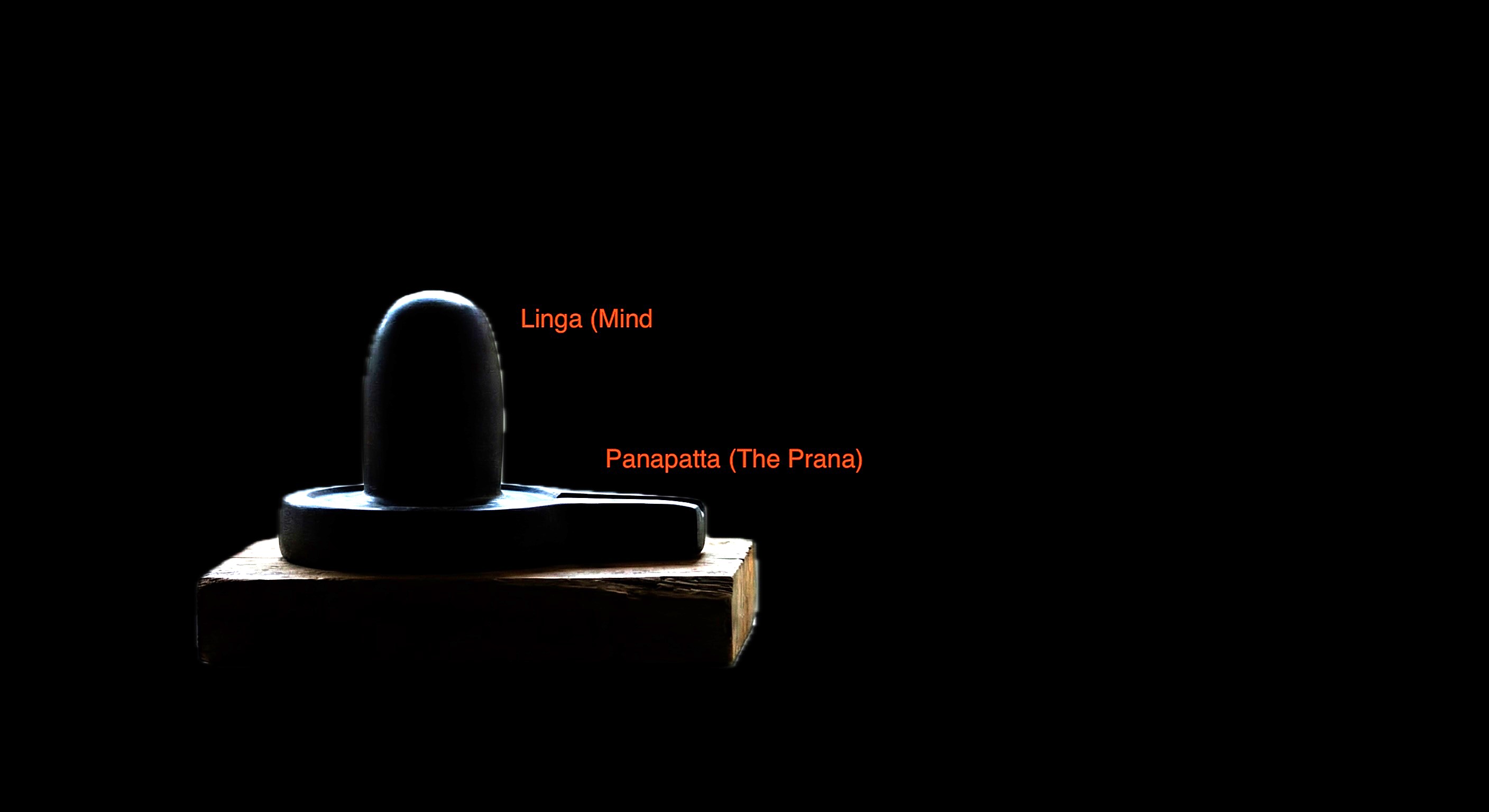
Where is the Shiva Lingam located within the sanctum of a temple, and upon what does it rest? It sits firmly upon the pedestal known as the पाणिवट्टम् (pāṇivaṭṭam).
Do you understand what this पाणिवट्टम् represents? It is the embodiment of प्राण (prāṇa—the vital life force). And what of the Lingam itself? The लिंग (liṅga) is the मनस् (manas—the mind). That Shiva is the Supreme Soul, the परमात्मा (paramātmā). For this Supreme Soul, the Lingam serves as a signifier; it is the mind that indicates the presence of the Paramatma to us.
The very word “ Linga ” means an indication or a sign—लिङ्ग्यते अनेन इति लिङ्गम् (liṅgyate anena iti liṅgam)—“that by which something is indicated.” It is your mind that reveals the existence of the Paramatma ; therefore, the mind is the Lingam, the शिवलिंग (śivaliṅga) representing the Supreme Soul.
Upon what does this mind depend? It relies entirely on प्राण (prāṇa). Without the life force, the mind ceases to function. Because Prana is the foundational support for the mind, the Panavattam forms the base, and the Shiva Lingam is consecrated above it.
Do you realize the depth of this inner meaning? This is magnificent symbolism that one must truly grasp. The temple architecture itself encodes the deepest truths of Vedanta : the mind, supported by the vital force, pointing toward the Supreme Reality that pervades all.
Adapted from the teachings of Brahmashri Yellamraju Srinivasa Rao.
